Bengali Wedding Photography: Rituals & Expert Tips for Stunning Photos
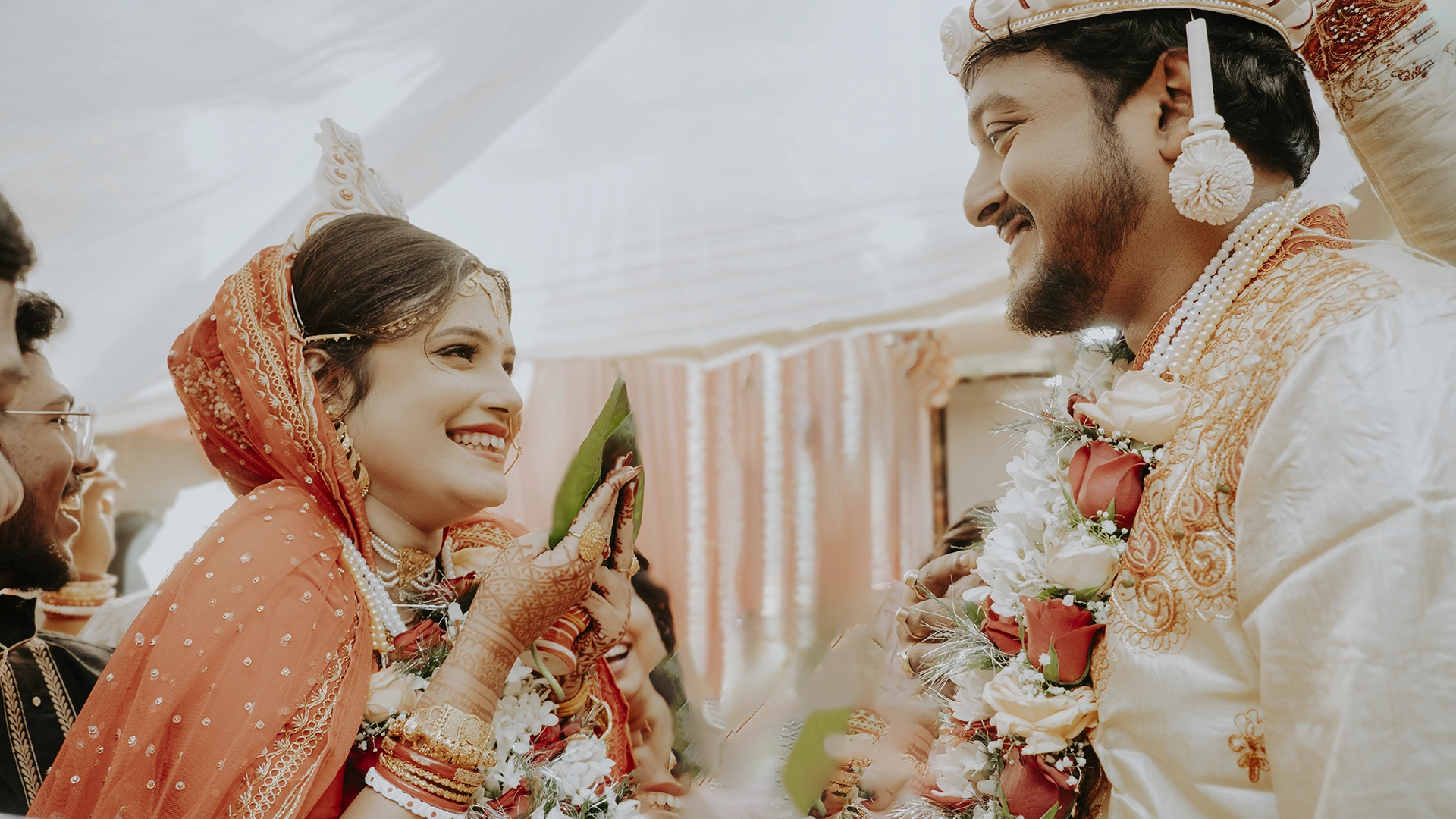
Bengali weddings are among the most vibrant and culturally rich celebrations in India. With elaborate rituals, colourful ceremonies, and deep emotional moments, they offer photographers an incredible canvas to create stunning visual stories.
At Roy's Studio Kolkata, we photograph Bengali weddings across Kolkata — from intimate gatherings to grand multi-day celebrations. This guide walks you through the key rituals, best moments to capture, and practical tips for Bengali wedding photography.
Understanding Bengali Wedding Rituals
1. Pre-Wedding Rituals: Ashirwad & Adan Pradan
Ashirwad is the blessing ceremony where elders bless the couple. This intimate moment is perfect for capturing candid emotions.
Adan Pradan is the ring exchange ceremony, often held at the bride's home. The lighting here is usually warm and intimate — ideal for soft, romantic portraits.
2. Holud (Turmeric Ceremony)
The Holud ceremony is one of the most colourful and joyful rituals. Family and friends apply turmeric paste to the bride and groom. The vibrant yellow hues, combined with the energy and laughter, create spectacular photo opportunities.
Photography tips: Use a fast lens (50mm f/1.4 or 85mm f/1.4) to capture the action in low light. Look for reactions — the playful moments, the laughter, and the emotional expressions.
3. Gaye Holud (Ritual Application of Turmeric)
The Gaye Holud is a more elaborate ceremony where the bride and groom are covered in turmeric paste. The yellow glow creates a warm, cinematic look that's unique to Bengali weddings.
Photography tips: Embrace the natural light. If shooting indoors, use a bounce flash or off-camera lighting to balance shadows.
4. Sangeet & Musical Evening
The Sangeet is a musical evening filled with dance, laughter, and celebration. It's a great opportunity for candid and performance photography.
Photography tips: Use a wide aperture (f/2.8 or wider) to capture movement. A fast shutter speed (1/250s or higher) will freeze the action.
5. The Main Wedding Ceremony
Bengali weddings are held around a sacred fire (Agni). The key moments include:
- Saat Paak: The bride and groom take seven rounds around the sacred fire.
- Sindur Daan: The groom applies sindur (vermillion) to the bride's forehead.
- Mala Badal: The exchange of garlands.
- Sampradan: The giving away of the bride by her parents.
Photography tips: The fire creates dramatic lighting. Position yourself to capture the couple's expressions during Saat Paak — the most emotional moment of the ceremony.
6. Post-Wedding: Bou Bhaat & Reception
Bou Bhaat is the reception at the groom's home where the bride is welcomed. It's filled with emotional moments and family introductions.
Equipment Recommendations for Bengali Wedding Photography
- Cameras: Full-frame cameras (e.g. Sony A7IV, Canon R6) for low-light performance.
- Lenses: 24-70mm f/2.8 (versatility), 50mm f/1.4 (portraits), 70-200mm f/2.8 (distance shots).
- Lighting: Off-camera flash for controlled lighting in dark venues.
- Backup gear: Always carry backup cameras, lenses, and memory cards.
Why Hire a Bengali Wedding Specialist in Kolkata
Bengali weddings have unique rituals and cultural nuances. A photographer who understands these traditions will know exactly where to position themselves, when to expect emotional moments, and how to capture the true essence of the celebration.
At Roy's Studio Kolkata, we photograph Bengali weddings with cultural understanding and technical depth. Contact us to discuss your Bengali wedding photography.
Frequently Asked Questions
What are the key rituals in a Bengali wedding?
A traditional Bengali wedding includes Gaye Holud (turmeric ceremony), Saat Paak (seven rounds around the sacred fire), Subho Drishti (auspicious first glance), Mala Badal (garland exchange), Sampradan (giving away of the bride), Sindoor Daan (vermillion application), and Bidaai (farewell). Many families also hold an Ashirwad and Adan Pradan (ring exchange) before the wedding day.
How do I choose a Bengali wedding photographer in Kolkata?
Choose a photographer who understands Bengali rituals, has experience with both indoor and outdoor lighting, and can capture candid moments throughout long ceremony days. Review full wedding galleries, ask about experience with Bengali ceremonies, and confirm backup equipment and second shooters.
What is the best time for a Bengali wedding in Kolkata?
Bengali weddings in Kolkata are traditionally held in the winter months (November to March), often with the main ceremony occurring late in the evening. Many modern couples also opt for daytime or early evening ceremonies depending on venue availability.
Planning a Bengali wedding in Kolkata?
Let Roy's Studio capture every ritual with expertise and artistry.
Book Your Wedding