Is an Expensive Wedding Photographer Worth It?
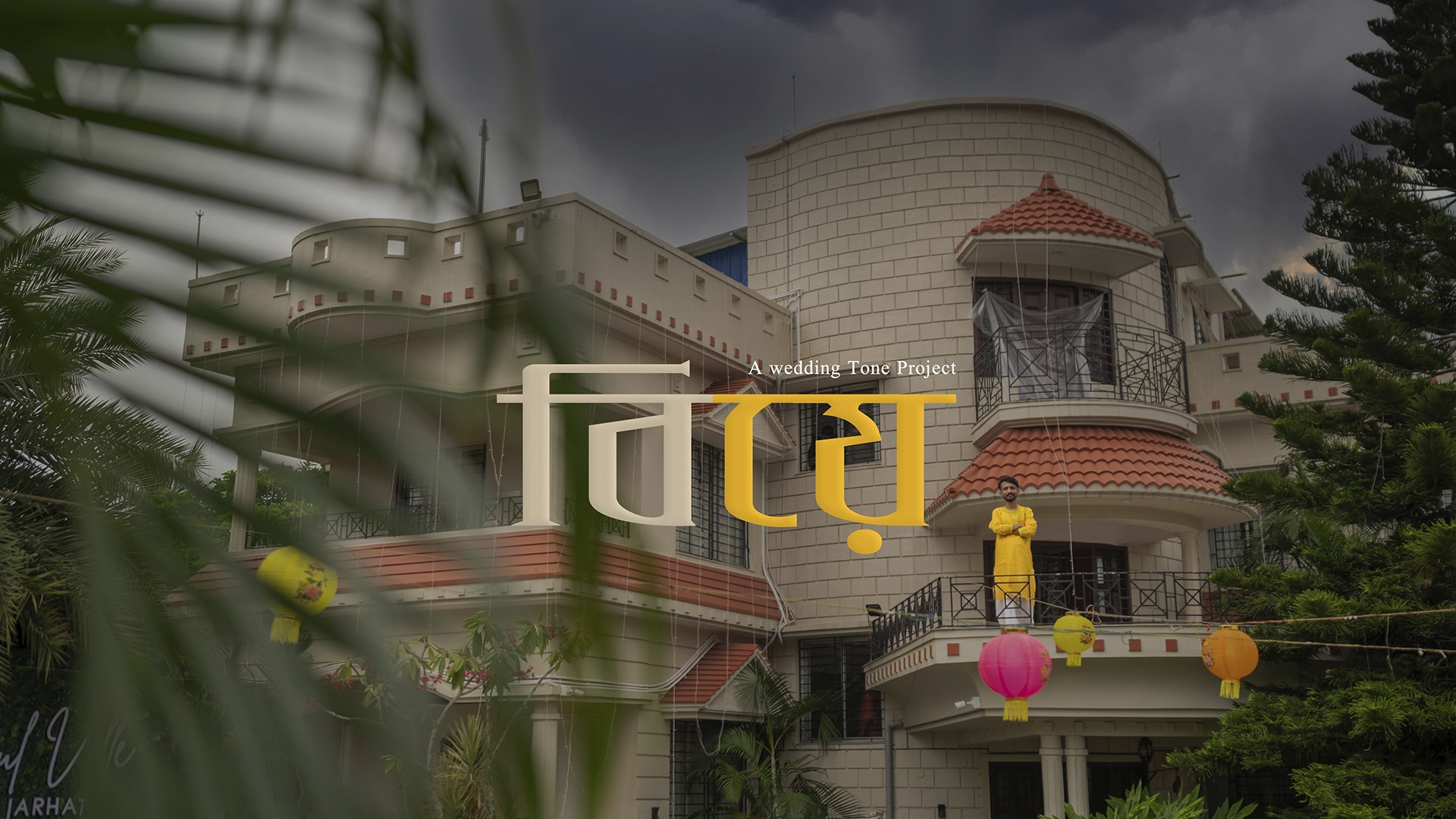
An expensive wedding photographer is worth it when the premium pays for experience, consistency, backup equipment, a second photographer and reliable delivery — not just branding. It is not worth it when the premium only buys a prettier website or a bigger album with no improvement in the actual photographs.
The honest rule: expensive is worth it when you can see the difference in complete galleries, and not worth it when you can't. A strong mid-range photographer with an excellent portfolio is better value than an expensive studio that sends associates.
- Price correlates with quality — up to a point. Above that point, you're paying for packaging.
- Judge by complete galleries, not price. The difference must be visible.
- Premium buys experience, backup, and reliability — things you only notice when they're missing.
- Cheap photography has a real cost — missing rituals, poor lighting, no backup, late delivery.
- 10–15% of your total budget is a reasonable photography allocation.
- It's not worth it for very small weddings or if photography genuinely isn't a priority for you.
- Book the person, not the price tier.
Table of Contents
- 1. The Honest Answer
- 2. What "Expensive" Actually Means
- 3. What Premium Pricing Actually Buys
- 4. The 60–80 Hour Reality
- 5. The Real Cost of Cheap Photography
- 6. Price vs Quality — The Curve
- 7. When It IS Worth It
- 8. When It Is NOT Worth It
- 9. How Much Should You Spend?
- 10. Mid-Range vs Premium — The Real Comparison
- 11. The Brand Premium Problem
- 12. What Expensive Photographers Do Differently
- 13. What Cheap Photographers Cut
- 14. The Second Photographer Question
- 15. Editing Time — The Invisible Cost
- 16. Delivery Reliability
- 17. The Thirty-Year Test
- 18. Red Flags in Expensive Photographers
- 19. Green Flags in Mid-Range Photographers
- 20. The Decision Framework
- 21. The Kolkata Context
- 22. A Final Reflection
Part One: The Honest Answer
Is an expensive wedding photographer worth it?
Yes — sometimes. No — sometimes.
That's not a cop-out. It's the actual answer, and you deserve to hear it without a sales pitch attached.
Expensive photography is worth it when the premium pays for things you'll notice. It isn't worth it when the premium pays for things you won't.
The problem is that "expensive" tells you nothing about which of those two you're buying. Two photographers can both charge ₹2.5 lakh. One might be worth every rupee. The other might be a ₹80,000 photographer with a ₹1.7 lakh marketing budget.
So the real question isn't "is expensive worth it?" It's:
"What specifically am I paying for — and can I see the difference?"
That's what this guide answers.
Part Two: What "Expensive" Actually Means
Expensive is relative. So let's anchor it to the Kolkata market.
| Tier | Indicative Range | What "Expensive" Means Here |
|---|---|---|
| Budget | ₹25,000 – ₹50,000 | Expensive compared to: a phone camera |
| Mid-range | ₹60,000 – ₹1,20,000 | Expensive compared to: a budget photographer |
| Premium | ₹1,50,000 – ₹3,00,000 | Expensive compared to: mid-range |
| Luxury | ₹3,50,000+ | Expensive compared to: almost everything |
Indicative Kolkata ranges. Varies by date, venue, coverage hours, deliverables, and whether video is included.
Most couples asking "is expensive worth it?" are really asking: "Is it worth moving from mid-range to premium?"
That's the jump that matters. It's usually a difference of ₹60,000 to ₹1,50,000. And it's the decision this guide is built around.
Part Three: What Premium Pricing Actually Buys
Here's what a genuinely expensive photographer's fee covers. Not what they claim — what it actually goes toward.
| What You're Paying For | Does It Affect Your Photographs? |
|---|---|
| Experience — knowing what happens before it happens | Yes, enormously |
| Consistency across a full day | Yes |
| Backup equipment and dual-card shooting | Yes — you notice when it's missing |
| Second photographer | Yes |
| Professional editing time (20–40 hours) | Yes |
| Reliable delivery within a stated timeline | Yes |
| Insurance and business overheads | Indirectly — it means they're still here next year |
| Albums and packaging | Somewhat — but often inflated |
| Branding and marketing | No |
Look at the bottom two rows. That's where the value question lives. If a photographer's premium is mostly going into branding and elaborate packaging, you're paying for the business, not the photographs.
If it's going into experience, backup, second shooters and editing — that's a premium worth considering.
Part Four: The 60–80 Hour Reality
Couples often look at a ₹1.5 lakh quote for a 12-hour wedding and think: "That's ₹12,500 an hour. Outrageous."
But 12 hours is not the work. It's the visible part of the work.
| Task | Typical Time |
|---|---|
| Pre-wedding consultation and planning | 2–4 hours |
| Venue recce and light planning | 1–2 hours |
| Wedding day coverage | 10–14 hours |
| Culling and selection | 6–10 hours |
| Editing and colour grading | 20–35 hours |
| Album design and revisions | 6–12 hours |
| Delivery, backup and admin | 3–6 hours |
Estimates vary by studio. Multiplied by two photographers, the total person-hours are considerably higher.
Total: roughly 50 to 80 hours of work per wedding.
At ₹1.5 lakh, that's approximately ₹1,900–₹3,000 per hour of actual work — before equipment, insurance, taxes, and studio overheads.
That changes the picture. A photographer isn't overpaid for 12 hours. They're paid for 70.
And this is why cheap photography is cheap: the only way to reduce the price is to reduce the editing hours, the culling hours, or the second shooter. All three directly affect your photographs.
Part Five: The Real Cost of Cheap Photography
Cheap wedding photography doesn't cost you money. It costs you photographs.
Here's what actually happens when the price is too low.
| What Gets Cut | What You Experience |
|---|---|
| Editing time | Inconsistent colour, harsh skin tones, images that look "off" |
| Culling time | You receive 4,000 unedited files and no curated album |
| Second photographer | Missing the bride's face during Sindoor Daan because the camera was on the groom |
| Backup equipment | A card failure that loses half the ceremony |
| Experience | Poor positioning, missed rituals, awkward family portraits |
| Delivery discipline | Six to twelve months of waiting, no clear timeline |
| Insurance and stability | The studio closes before delivering your album |
"A couple saved ₹70,000 by choosing a cheaper photographer. The ceremony coverage was fine. But there was no second photographer, so when the groom's mother broke down during Kanyadaan, the camera was on the bride. That frame doesn't exist. The ₹70,000 is long forgotten. The missing photograph isn't. And there is no way to reshoot it."
This is the asymmetry that matters. Save money on catering and the food is eaten in an hour. Save money on decor and the flowers wilt the next morning. Save money on photography and the loss is permanent.
Part Six: Price vs Quality — The Curve
Does paying more always get you better photographs?
No. The relationship looks like this.
| Price Range | What Typically Happens |
|---|---|
| Below market | Quality drops sharply. Something important is missing. |
| Budget to mid-range | Big quality jump. Most of the value is captured here. |
| Mid-range to premium | Moderate quality jump. Mostly reliability, backup, and consistency. |
| Premium to luxury | Small quality jump. Mostly packaging, albums, and service. |
| Above luxury | Diminishing returns. You're buying exclusivity, not better photographs. |
The biggest quality jump in the entire market is from "cheap" to "competent mid-range." That's where most of the value lives.
Above mid-range, you're mostly buying risk reduction: backup gear, second shooters, reliable delivery, and an experienced person who has seen every possible thing go wrong and knows what to do.
That's real value — but it's a different kind of value than "better photographs."
You are not buying better photographs above mid-range. You are buying lower risk.
If your wedding is large, logistically complex, or emotionally high-stakes, lower risk is worth paying for. If it's small and simple, the risk is already low.
Part Seven: When It IS Worth It
Pay the premium if any of these apply to you.
- You can see a clear, consistent difference in their complete galleries
- Your wedding is large (200+ guests) with complex logistics
- You have multiple events across multiple days
- Photography is genuinely one of your top three priorities
- You want a second photographer covering simultaneous moments
- Your venue has difficult lighting that requires experience
- You're booking a peak-season date where top teams sell out fast
- You value reliable delivery and clear communication
- You want someone who has shot 200+ Bengali weddings and knows every ritual
- You want one point of contact for both photo and video
- You plan to display large prints or create a premium album
- You want to look at these photographs for the next thirty years
Part Eight: When It Is NOT Worth It
Don't pay the premium if any of these apply.
- You cannot see a meaningful difference between their galleries and a mid-range photographer's
- The premium is mostly going into albums and packaging you don't want
- Your wedding is very small — under 50 guests, single event
- It's a simple court marriage or registration
- Photography genuinely isn't important to you, and you'd rather spend elsewhere
- You're being charged for a brand name, not for better work
- The studio cannot confirm who will actually photograph your wedding
- You'd have to compromise on essentials like venue or food to afford it
- You're choosing them purely because they're the most expensive option you saw
That last one is real. Some couples assume price equals quality and skip the galleries entirely. That's how people pay ₹3 lakh for photographs that a ₹90,000 photographer could have taken.
Part Nine: How Much Should You Spend?
The common guideline is 10 to 15 percent of your total wedding budget.
| Total Wedding Budget | 10% | 15% |
|---|---|---|
| ₹8,00,000 | ₹80,000 | ₹1,20,000 |
| ₹15,00,000 | ₹1,50,000 | ₹2,25,000 |
| ₹25,00,000 | ₹2,50,000 | ₹3,75,000 |
| ₹50,00,000 | ₹5,00,000 | ₹7,50,000 |
But percentages are guidelines, not rules. Two adjustments:
If photography is a genuine priority — you love photographs, you have a photographer's eye, you plan to display prints — 20 percent is reasonable.
If photography is genuinely low priority — you'd rather spend on the experience, the food, or the honeymoon — 5 to 8 percent is a legitimate choice.
What matters is that you make the decision deliberately. Not by defaulting to the cheapest quote, and not by defaulting to the most expensive one either.
If you're unsure how many hours you actually need, we've written a separate breakdown of wedding photography coverage hours with hour-by-hour timelines.
Part Ten: Mid-Range vs Premium — The Real Comparison
Let's compare two realistic scenarios. Same wedding. Same 12-hour coverage.
| Factor | Mid-Range (₹90,000) | Premium (₹2,20,000) |
|---|---|---|
| Photographers | 1–2 | 2–3 |
| Bengali wedding experience | 20–50 weddings | 150–400 weddings |
| Backup equipment | Sometimes | Always |
| Dual-card shooting | Occasionally | Standard |
| Editing time | 12–20 hrs | 25–40 hrs |
| Delivery timeline | 2–4 months | 4–8 weeks |
| Album | Basic | Premium, larger, more pages |
| Risk of associate substitution | Moderate | Low (usually named) |
Is the ₹1.3 lakh difference worth it? It depends entirely on which row matters to you.
If delivery timeline, backup equipment, and second-photographer coverage matter — the premium is justified.
If those things don't matter much and the complete galleries look similar — the mid-range option is the smarter decision.
The one thing that should always decide it: compare the complete galleries first, then the price. Not the other way around.
Part Eleven: The Brand Premium Problem
Some expensive studios are expensive because they're genuinely excellent. Others are expensive because they've built a strong brand.
Both are legitimate businesses. Only one is worth your money.
How to tell the difference:
- Ask who will photograph your wedding. If the answer is "our team" or "an associate," you're paying brand premium, not expertise premium.
- Ask for a complete gallery from a wedding shot by that specific person. Not the founder's gallery. Not the studio's best work.
- Ask what happens if that person falls ill. A brand-name studio often has a bench. A personal photographer doesn't need one.
The brand premium is real and sometimes justified. A large studio with proper systems delivers consistency across many weddings. That's genuine value if you're booking one of many weddings on a busy date.
But if you're paying premium prices for a founder's portfolio and receiving an associate's work, you've been overcharged — regardless of how good the brand is.
Part Twelve: What Expensive Photographers Do Differently
Here's what a genuinely great — and genuinely expensive — photographer actually does differently.
They see the photograph before it happens. During Sindoor Daan, they're already positioned for the moment the bride's mother reacts. During Saat Paak, they know which of the seven circuits will produce the best frame. This isn't luck. It's pattern recognition built over hundreds of weddings.
They solve lighting in three seconds. A banquet hall with mixed tungsten, LED, and flash is a technical minefield. Experienced photographers know exactly what to do without thinking. Inexperienced ones produce inconsistent colour across the album.
They manage families without friction. A great photographer can assemble 40 relatives for a portrait, keep them smiling, and have everyone back at their seats in four minutes. This is a genuinely rare skill and it saves hours of stress.
They protect your photographs with systems. Two camera bodies. Dual card slots. Backup drives. A named replacement photographer. Insurance. These are invisible when everything goes right — and everything when something goes wrong.
They deliver on time without chasing. A professional studio has a production calendar. Your album isn't dependent on someone's mood or workload.
They edit for memory, not for Instagram. A good photographer thinks about how the images will age, not how they'll perform this month. That's the difference between photographs that look timeless and photographs that look dated in three years.
Part Thirteen: What Cheap Photographers Cut
Cheap photography isn't cheap by magic. Something is missing. Usually several things.
- Editing time — images delivered with minimal grading
- Culling — you receive thousands of unedited files
- Second photographer — simultaneous moments are lost
- Backup equipment — single camera, single card slot
- Insurance — if something goes wrong, no recourse
- Album design — you get a digital folder and nothing else
- Pre-wedding planning — they arrive without knowing your timeline
- Delivery discipline — timelines slip indefinitely
- Post-wedding availability — they close or disappear
Not every cheap photographer is bad. Some are talented newcomers building a portfolio, genuinely excellent value for the price. Others are budget operations where you get what you pay for.
The way to tell them apart is the same as always: look at complete galleries, not highlights, and ask what's included. A talented newcomer will show you full weddings that hold up. A budget operation will show you only the best frames.
Part Fourteen: The Second Photographer Question
This single factor explains much of the price difference between mid-range and premium — and much of the quality difference in the final album.
What a second photographer actually adds:
- Bride getting ready AND groom's baraat, simultaneously
- Bride's expression AND groom's expression during Sindoor Daan
- Wide ceremony shot AND close emotional detail at the same moment
- Guest reactions AND couple portraits happening at once
- Backup coverage if the primary photographer's angle is blocked
What a second photographer costs: usually 40–60% of the primary photographer's fee, often quoted separately.
Is it worth it?
For a full Bengali wedding day — with a baraat, a multi-part ceremony, a reception, and 200+ guests — yes, it's close to essential. The number of moments happening simultaneously is simply too high for one person to cover.
For an intimate wedding or a single-event ceremony — no, one photographer is sufficient. Spend the money on more hours instead.
Part Fifteen: Editing Time — The Invisible Cost
Editing is where the biggest invisible cost lives.
How long does editing actually take?
- Culling 3,000 images down to 600: 6–10 hours
- Base colour correction across all images: 4–8 hours
- Individual image retouching: 10–20 hours
- Album sequencing and design: 6–12 hours
Total: roughly 25 to 50 hours of post-production per wedding.
A cheap photographer cannot afford this time. So the editing gets compressed. The result is inconsistent colour, harsh skin tones, images that look fine at thumbnail size and fall apart at print size.
The most reliable question to ask: "How many hours do you typically spend editing a wedding?"
A serious answer is 25+. A vague answer is "it depends" or "we don't count."
Part Sixteen: Delivery Reliability
One of the most underrated benefits of paying more: you actually receive your photographs, on time.
Ask any wedding forum and you'll find the same story: couples waiting eight, ten, twelve months for photographs that should have taken three.
Premium studios typically deliver faster because they have systems. Production calendars. Editing deadlines. Quality control. Named editors.
What to ask in writing:
- When will previews arrive? (Ideal: 7–14 days)
- When will the full gallery arrive? (Ideal: 4–8 weeks)
- When will the album be delivered? (Ideal: 3–6 months after approval)
- What happens if the timeline slips?
An expensive photographer who delivers late is worse value than a mid-range photographer who delivers on time. Reliability is a form of quality.
Part Seventeen: The Thirty-Year Test
Here's the question that cuts through all the pricing analysis.
In thirty years, what will you regret more — the money you spent, or the photographs you don't have?
This isn't a rhetorical trick to get you to spend more. It's a genuine framework, and it can go either way.
If you spend ₹2 lakh on photography and the photographs are the ones you look at every anniversary — that's ₹2 lakh well spent.
If you spend ₹2 lakh on photography and never look at them because you don't care much about photographs — that's ₹2 lakh wasted. You could have spent ₹60,000 and had the same experience.
The honest test: look at the photographs your parents have from their wedding. How often do you look at them? How much do they matter to you?
That's your answer. Not the industry's answer. Yours.
Part Eighteen: Red Flags in Expensive Photographers
Expensive doesn't guarantee good. Watch for these.
- Cannot show a complete gallery from a wedding shot by the person attending yours
- Premium price but no second photographer in the package
- Cannot name who will actually shoot your wedding
- Elaborate albums but weak editing in the actual images
- Extensive marketing but few verifiable reviews
- Refuses to provide overtime terms in writing
- Vague delivery timelines
- Price is mostly justified by "premium brand" language
- Portfolio is heavily concentrated in one or two spectacular venues
- No clear answer on backup equipment or illness cover
The most common expensive-but-not-worth-it scenario: a studio with excellent marketing, a founder with a beautiful portfolio, and a team of associates who actually shoot most weddings. You're paying for the founder's reputation and receiving an associate's work.
Ask directly. A good studio will be honest about this. A studio that dodges the question is telling you something.
Part Nineteen: Green Flags in Mid-Range Photographers
Mid-range photographers are frequently the best value in the Kolkata market. Here's what to look for.
- Complete galleries are consistently strong across multiple weddings
- Has personally shot 30+ Bengali weddings
- Provides a written contract without being asked twice
- Shoots to dual card slots
- Carries two camera bodies
- Can articulate their editing philosophy
- Commits to a delivery timeline in writing
- Includes high-resolution files with usage rights
- Responds to messages within a day
- Has a named replacement photographer if they fall ill
- Is honest about what they don't do well
- Talks about your wedding, not their awards
A mid-range photographer who ticks all of these is genuinely worth more than an expensive photographer who ticks half. The market doesn't always price quality correctly — which is exactly why you judge by work, not by price tier.
Part Twenty: The Decision Framework
Here's how to decide, in five steps.
Step 1 — Shortlist three photographers across two price tiers. Not three in the same tier. Include one mid-range and one premium so you can actually compare.
Step 2 — Request complete galleries from all three. Not highlights. Full weddings from similar venues and guest counts.
Step 3 — Ask the same questions of all three. The 12 questions from our guide to choosing a wedding photographer in Kolkata. Compare the answers, not just the prices.
Step 4 — Ask yourself: can I see the difference? If you can't distinguish the mid-range galleries from the premium ones, the premium isn't worth it for you. That's not a failure of the premium photographer — it just means their extra value isn't in a dimension you're evaluating.
Step 5 — Choose the photographer who made you feel most confident. Not the cheapest. Not the most expensive. The one whose work, answers, and manner gave you the most trust.
Judge by the complete galleries. Then by the price. In that order.
If you judge by price first, you'll either overpay for a brand or underpay for photographs you'll regret not having.
Part Twenty-One: The Kolkata Context
Kolkata's market has a few specific realities that affect this decision.
Winter season compresses everything. Between November and February, top photographers shoot two weddings a day. Premium pricing partly reflects scarcity during peak weeks. If you're booking a winter wedding and want a specific photographer, the premium is partly a function of demand — not just quality.
Off-season rates are genuinely better. Between July and October, the same photographers often quote 20–30% less. If you have flexibility on the date, this is the single biggest saving available.
Bengali wedding experience has a specific market value. A photographer who knows Sindoor Daan, Saat Paak, Subho Drishti and Bidaai is meaningfully different from one who has only shot generic weddings. That knowledge is worth paying for — but confirm it with specific questions, not with the price tag.
The Kolkata market has a wide quality range. There are excellent mid-range photographers in this city whose work rivals premium studios. There are also expensive studios whose work is mediocre. Price is a weaker signal in Kolkata than in some other markets — which makes complete galleries even more important.
Part Twenty-Two: A Final Reflection
I've been the expensive photographer. I've also photographed weddings at prices I'd now consider too low.
What I've learned is this: the money is never the point.
I've seen couples spend ₹60,000 on a photographer who captured everything that mattered. I've seen couples spend ₹3 lakh and end up with an album they never open.
The difference was never the price. It was whether the photographer understood what they were doing.
So here's the honest version of this answer:
Pay more if the premium buys you something you can see and something you value. Pay more if your wedding is large and complex and you want the risk reduced. Pay more if you genuinely love photographs and know you'll look at them for decades.
Don't pay more because you're afraid. Don't pay more because the studio has a nicer website. Don't pay more because someone told you it's what you're supposed to do.
And whatever you decide, look at complete galleries before you look at prices.
Because the expensive photographer who can't show you a full wedding is more expensive than the mid-range one who can.
That's what we do at Roy's Studio. We send complete galleries before we send a quote. Judge the work first — then decide if the price makes sense.
Frequently Asked Questions
Is an expensive wedding photographer worth it?
An expensive wedding photographer is worth it when the premium pays for experience, consistency, backup equipment, a second photographer, and reliable delivery — not just a brand name or elaborate packaging. It is worth it if you value your wedding photographs as a long-term investment rather than a same-day expense. It is not worth it if the premium only buys a prettier website or a more impressive-sounding package with no improvement in the actual photographs.
What does an expensive wedding photographer actually charge for?
Premium pricing usually covers experienced photographers who can anticipate moments, backup equipment and dual-card shooting, a second photographer, comprehensive insurance, professional editing time of 20 to 40 hours per wedding, reliable delivery within a stated timeline, and full-service planning. It also covers the studio's ability to turn down other work and be fully present on your date.
How much should I spend on a wedding photographer?
A common guideline is 10 to 15 percent of your total wedding budget. For a wedding with a total budget of ₹15 lakh, that suggests ₹1.5 lakh to ₹2.25 lakh for photography. If photography matters more to you than other elements, 20 percent is reasonable. If it matters less, 5 to 8 percent is acceptable. The percentage matters less than making a deliberate choice rather than defaulting to the cheapest option.
What is the real cost of a cheap wedding photographer?
The real cost of cheap wedding photography is not the money saved but the photographs you never receive. Common outcomes include missing key rituals, poor lighting in banquet halls, no backup equipment when a card fails, delivery delays of six to twelve months, and albums that look dated within three years. Unlike catering or decor, photography cannot be redone after the wedding.
Is a more expensive wedding photographer always better?
No. Price correlates with quality up to a point, but above a certain threshold you are paying for packaging, albums, branding, and service rather than better photographs. Always compare complete galleries rather than prices. An expensive photographer with a weak portfolio is worse value than a mid-range photographer with an excellent one. Judge by the photographs, then by the price.
When is it NOT worth paying for an expensive wedding photographer?
It is not worth paying premium prices when you cannot clearly see the difference between their complete galleries and a mid-range photographer's, when photography is genuinely low priority for you, when the wedding is very small or a simple court marriage, or when the premium is being spent on albums and packaging you do not want. In these cases, a strong mid-range photographer is the better decision.
Why do wedding photographers charge so much?
A wedding photographer's fee covers far more than the wedding day itself. For a typical wedding, the work includes a pre-wedding consultation, venue recce, 12 to 16 hours of shooting, 20 to 40 hours of editing, album design, and delivery — often totalling 60 to 80 hours per wedding. The fee also has to cover equipment, insurance, backup gear, and the fact that most photographers work only 20 to 30 weddings a year due to the seasonal nature of the industry.
Should I choose a mid-range photographer over an expensive one?
Yes, if the mid-range photographer's complete galleries are consistently strong, they have experience with weddings like yours, they provide a written contract, and they have proper backup equipment. A talented mid-range photographer often delivers better value than an expensive studio that sends associates. Judge by the work, not the price tier.

Want to see our complete galleries before deciding?
We'll send two full weddings — start to finish. Judge the work first, then the price.
Request Full Galleries